 Maldives Compass
The Designation
In June 2011, UNESCO designated Baa Atoll as a World Biosphere Reserve under the Man and the Biosphere Programme, making it the first and only such designation in the Maldives. The application was supported by the Maldivian government, local island councils, resort operators, and conservation organizations who recognized the atoll's global significance as a marine ecosystem. Biosphere reserves are not simply protected areas - they are designed as living laboratories where conservation, sustainable development, and community well-being work together. The designation divided Baa Atoll into core zones with strict protection, buffer zones where limited activities are permitted, and transition zones where sustainable development and tourism operate under management guidelines.
What the Reserve Protects
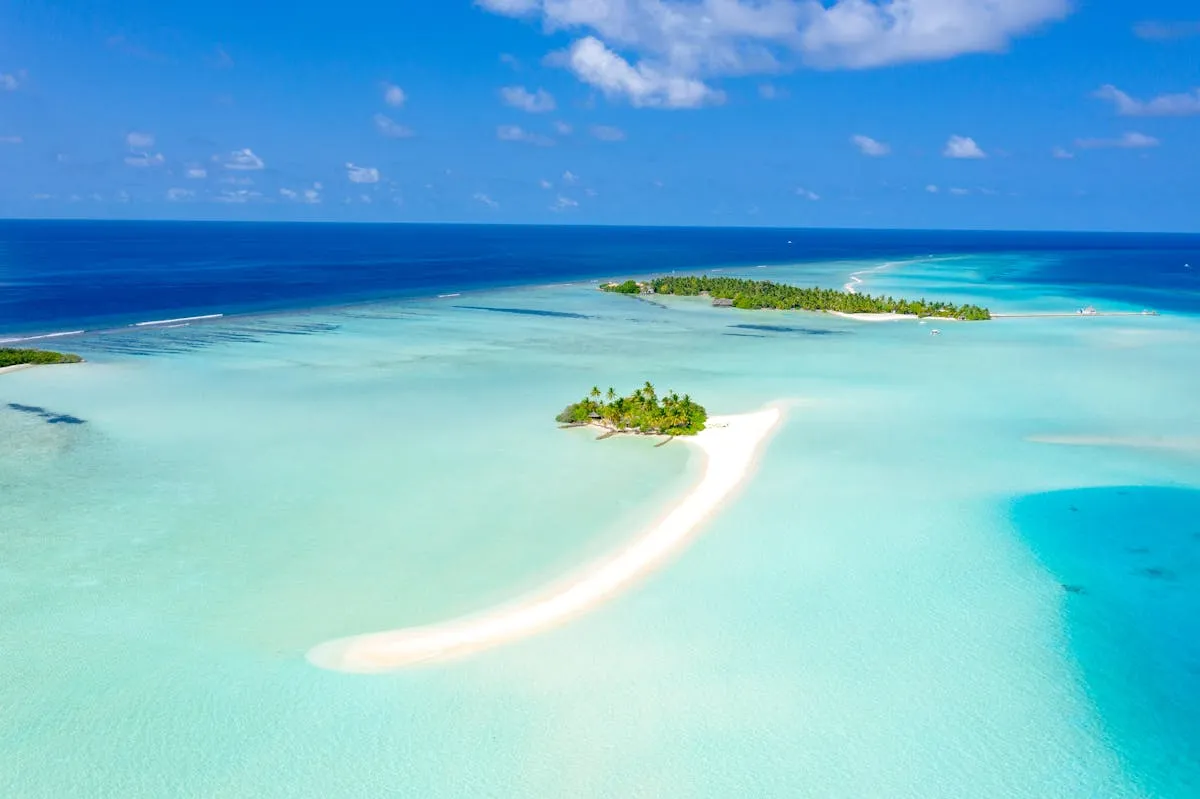
Baa Atoll's biosphere reserve protects an interconnected system of coral reefs, seagrass meadows, mangrove areas, and open ocean habitats that support notable biodiversity. The atoll is home to over 1,200 species of reef fish, more than 250 species of coral, and significant populations of marine megafauna including reef manta rays, whale sharks, hawksbill and green sea turtles, dolphins, and various shark species. Hanifaru Bay, the core protected area, hosts the world's largest known feeding aggregation of manta rays - an event of such scientific importance that it alone justified international protection. The reserve also encompasses turtle nesting beaches on uninhabited islands, important seabird colonies, and reef systems that serve as nursery grounds for commercially important fish species that local communities depend upon for their livelihoods.
Visitor Rules and Responsible Tourism
Visitors to the biosphere reserve are expected to follow specific guidelines designed to minimize human impact on sensitive ecosystems. At Hanifaru Bay, entry is regulated by a ranger station that monitors the number of people in the water at any given time. Only snorkeling is permitted - scuba diving is prohibited to prevent bubble disturbance to feeding animals. Visitors must not touch, chase, or obstruct the path of manta rays or whale sharks. Throughout the atoll, reef-safe sunscreen is strongly encouraged, anchoring on live coral is restricted, and fish feeding by snorkelers and divers is discouraged. An entry fee is charged at Hanifaru Bay, with proceeds supporting ranger salaries, monitoring equipment, and community conservation programs.
Conservation in Action
The biosphere reserve framework has enabled significant conservation achievements since its designation. Manta ray research programs have identified hundreds of individual mantas using belly pattern photography, building a database that tracks population health and movement patterns. Coral monitoring programs document reef recovery and resilience across the atoll. Community-based conservation programs engage local islanders as stewards of their marine environment, recognizing that lasting protection depends on the people who live within the reserve. The model established in Baa Atoll is now being studied as a potential template for marine conservation across the Maldives and other small island developing states.