 Maldives Compass
Budget Basics
Full cost breakdown for all travel styles.
From the Maldivian Rufiyaa to the widespread use of US dollars - everything you need to know about handling money, cards, and cash in the Maldives.
The official currency of the Maldives is the Maldivian Rufiyaa (MVR), abbreviated as Rf or .ރ in Thaana script. One Rufiyaa is divided into 100 laari. Banknotes come in denominations of 5, 10, 20, 50, 100, 500, and 1,000 Rufiyaa. The exchange rate has been relatively stable, with the Rufiyaa pegged to the US dollar at approximately MVR 15.42 per USD 1, though rates at local exchanges may vary slightly.
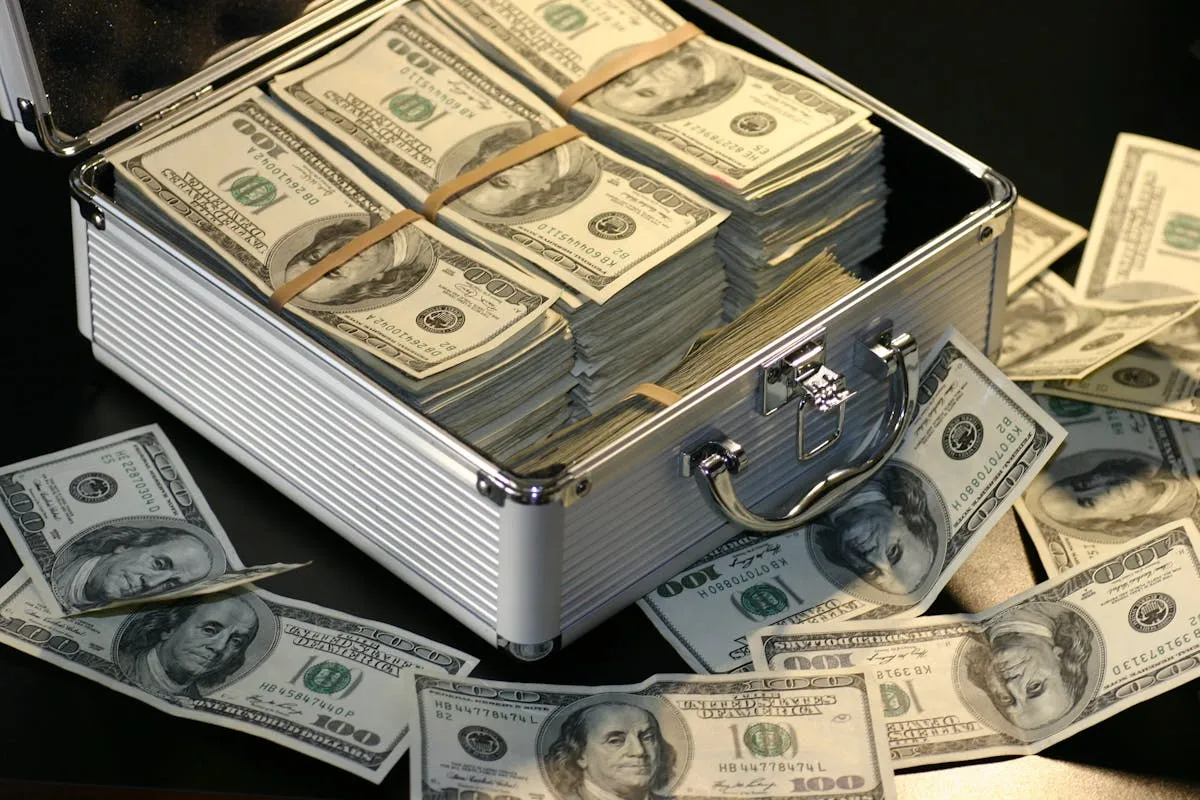
In practice, the US dollar functions almost as a second currency, especially in the tourism sector. At resorts, everything is priced and billed in US dollars. You can pay your final bill in USD cash, by credit card, or sometimes by bank transfer. Resorts rarely deal in Rufiyaa at all.
On local islands, both USD and Rufiyaa are accepted. Guesthouses typically quote rates in USD, while local shops, cafes, and ferry tickets may be priced in Rufiyaa. If you pay in USD, you will usually receive change in Rufiyaa.
In Malé, shops and restaurants accept both currencies, though Rufiyaa is more commonly used for everyday transactions.
Yes, bringing some US dollars in cash is recommended, particularly in smaller denominations. Here is why and how much to consider:
Bring clean, undamaged bills. Torn, heavily worn, or marked notes may be refused. Notes from before 2006 are sometimes rejected.
Credit and debit cards are widely accepted at resorts, larger guesthouses, and established businesses in Male and Hulhumale. Visa and Mastercard are the most universally accepted, with American Express accepted at some resorts but less commonly elsewhere.
Before travelling, inform your bank that you will be using your card in the Maldives to avoid it being blocked for suspicious activity. Check your bank's foreign transaction fees, as these can add 1 to 3% to every purchase.
Consider using a travel-focused credit card with no foreign transaction fees if you have one available. This can save meaningful money over a week-long trip.
ATM availability in the Maldives is limited compared to most countries. The main banks are Bank of Maldives (BML) - the largest, with the widest ATM network - along with State Bank of India (SBI) and Maldives Islamic Bank (MIB), both operating primarily in Malé. Knowing where to find ATMs is important:
ATMs typically dispense Maldivian Rufiyaa, not US dollars. Some BML locations in Malé offer USD withdrawals. Daily withdrawal limits may apply (often around MVR 10,000 to 15,000, approximately $650 to $970). Transaction fees vary by your home bank.
Do not rely solely on ATMs for your cash needs. Withdraw what you might need before heading to remote islands, and always carry a reserve of USD cash as backup.
Digital payment options are growing in the Maldives. The main mobile payment platforms are:
International mobile payment services like Apple Pay and Google Pay are not widely supported in the Maldives, though some international chain hotels may accept them. For most practical purposes, cards and cash remain the primary payment methods.
Tipping in the Maldives is not mandatory but is customary and appreciated, particularly in the service-heavy resort environment.
Most resorts add a 10% service charge and 17% TGST (Tourism Goods and Services Tax) to bills. The service charge is distributed among staff. If a service charge is already included, additional tipping is at your discretion but still appreciated for exceptional service.
At resorts, you typically sign for all purchases during your stay (meals, drinks, spa treatments, excursions, mini-bar), and these are added to your room account. You settle the total bill at checkout. Review your bill carefully before paying, as errors can occur over a multi-day stay.
On local islands, tipping is less formalised. Rounding up restaurant bills, tipping excursion guides $5 to $10, and leaving a small amount for guesthouse staff at the end of your stay are all appreciated gestures. See our local etiquette guide for more cultural context.
If you need to exchange currency, you have several options:
In practice, most tourists get by entirely with USD and credit cards and never need to exchange currency into Rufiyaa. If you do receive Rufiyaa as change, it is useful for small local purchases but difficult to exchange back to your home currency outside the Maldives. Spend any remaining Rufiyaa before leaving the country, as it is difficult to exchange outside the Maldives.