 Maldives Compass
Safety
General safety information for the Maldives.
Medical facilities, insurance advice, and how to handle common health issues in the Maldives
The Maldives has a tiered healthcare system. The best-equipped facilities are in Male and Hulhumale, while outer islands have smaller health centres with more limited capabilities.
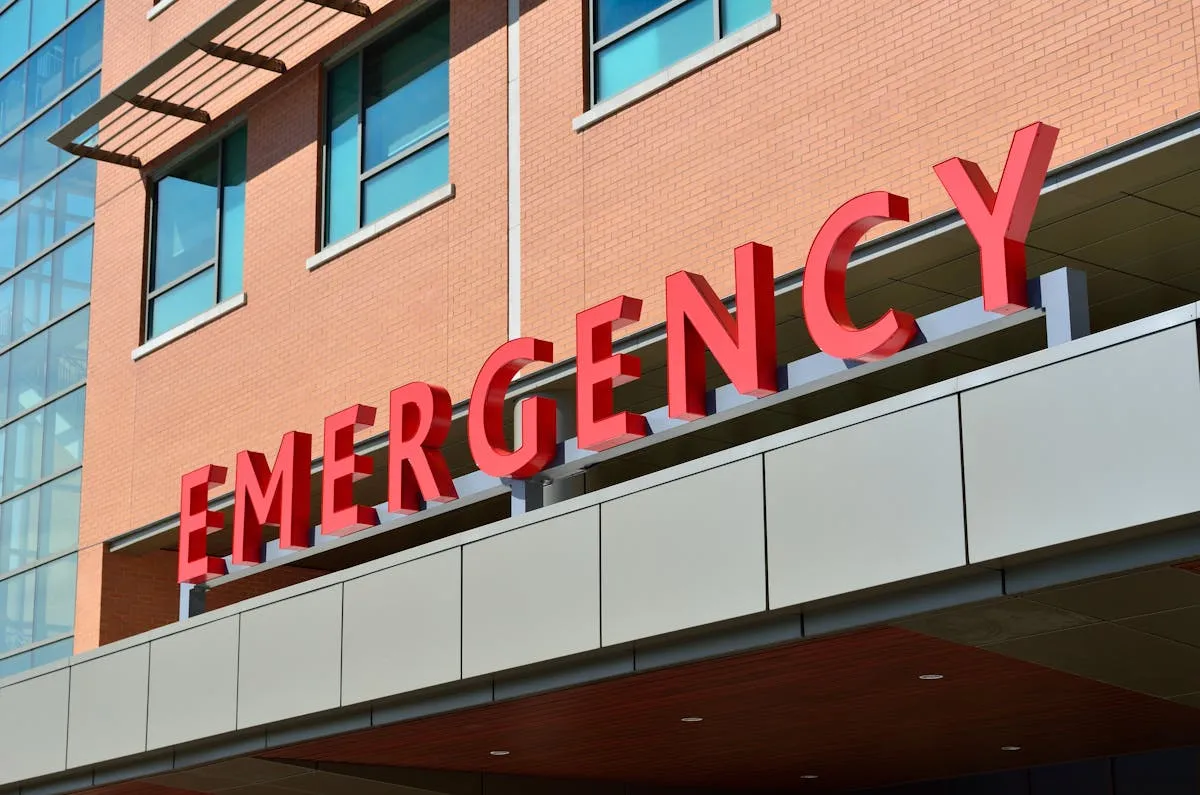
Indira Gandhi Memorial Hospital (IGMH) in Male is the country's largest public hospital, offering a full range of medical services including surgery, intensive care, and specialist consultations. It is the primary referral hospital for serious medical emergencies from anywhere in the country.
ADK Hospital, also in Male, is a well-regarded private hospital with modern equipment and English-speaking staff. Many tourists and expatriates prefer ADK for its shorter wait times and more comfortable facilities.
Hulhumale Hospital serves the growing population of Hulhumale and handles a good range of medical issues. Its proximity to Velana International Airport makes it a convenient option for travellers.
Tree Top Hospital in Hulhumale is a newer private facility offering high-quality care, including specialist services that were previously only available abroad.
Each inhabited island has a health centre staffed by at least one doctor or health worker. These centres can handle basic medical needs such as minor injuries, infections, and common illnesses. However, for anything beyond basic care, patients are transferred to Male.
Most resorts have an on-site doctor or medical clinic. Resort medical facilities can handle:
Consultations at resort clinics are not free and can be expensive (typically $50 to $150+ per visit). This is another reason why comprehensive travel insurance is essential. If you are staying on a local island, ask your guesthouse about the nearest health centre and available medical services.
Travel insurance is not just recommended for the Maldives; it is virtually essential. The remote island geography means that medical evacuation by speedboat or seaplane may be necessary for serious conditions, and the costs can be substantial.
Your travel insurance should cover:
Keep digital and printed copies of your insurance policy and emergency contact numbers accessible at all times.
No specific vaccinations are required to enter the Maldives (unless you are arriving from a yellow fever endemic area, in which case proof of yellow fever vaccination is needed). However, the following vaccinations are commonly recommended by travel health advisors:
Malaria is not present in the Maldives, so antimalarial medication is not needed. Dengue fever is occasionally reported, carried by mosquitoes, so using insect repellent is a sensible precaution.
Consult your doctor or a travel health clinic at least 4 to 6 weeks before your trip for personalised advice. Pack essential medications in your carry-on luggage with copies of prescriptions.
Most health problems travellers encounter in the Maldives are minor and related to the tropical environment. Here are the most common issues and how to handle them:
The equatorial sun is far stronger than most visitors expect. Severe sunburn can occur within 30 minutes of unprotected exposure. Prevention is key: use SPF 50+ reef-safe sunscreen, reapply every two hours, wear UV-protective clothing, and limit midday sun exposure. If you get burned, cool the skin with wet cloths, apply aloe vera gel, take pain relief, and stay hydrated. Seek medical attention for blistering burns or heat exhaustion.
Coral cuts are one of the most common injuries in the Maldives. Even minor scrapes can become infected in tropical conditions because tiny coral fragments embed in the wound. Clean cuts immediately and thoroughly with fresh water and antiseptic. Remove any visible coral fragments with clean tweezers. Apply antiseptic cream and cover with a waterproof plaster. Monitor for signs of infection (increasing redness, swelling, pus, fever) and seek medical attention if these develop. Wearing reef shoes prevents most coral cuts.
Jellyfish are occasionally encountered in Maldivian waters. Most stings are painful but not dangerous. Remove any tentacle fragments with tweezers (not bare hands), rinse with seawater (not fresh water), and apply heat or hot water (as hot as bearable) for 20 to 45 minutes to neutralise the venom. Do not use vinegar unless you know the specific jellyfish species. Seek medical help if symptoms are severe, such as difficulty breathing or widespread reaction.
Dehydration and heat exhaustion are common, especially among visitors not acclimatised to tropical heat. Drink at least 2 to 3 litres of water daily, more if active. Symptoms of heat exhaustion include dizziness, nausea, excessive sweating, and headache. Move to shade, cool down, and rehydrate. Seek medical help if symptoms worsen or confusion develops.
For divers, knowing the location of decompression chambers is important. The Maldives has hyperbaric chambers at:
These facilities treat decompression sickness (the bends) and are accessible by speedboat from surrounding atolls. Your dive centre will have emergency procedures and contacts for the nearest chamber.
Important emergency contacts in the Maldives:
At resorts, always contact reception first in an emergency. They will coordinate the fastest response. On local islands, your guesthouse staff can direct you to the island health centre. For general safety advice, see our safety guide.