 Maldives Compass
What Island Hopping Means in the Maldives
The Maldives is made up of roughly 1,200 islands spread across 26 atolls, and no single island can give you the full picture. Island hopping is the art of moving between several islands during your trip - spending a night or two on each - so you get to experience the variety the country has to offer. You might start on a busy local island with cafes and dive shops, move to a quieter village where fishing is still the main way of life, and finish on a resort island for a few days of pure relaxation.
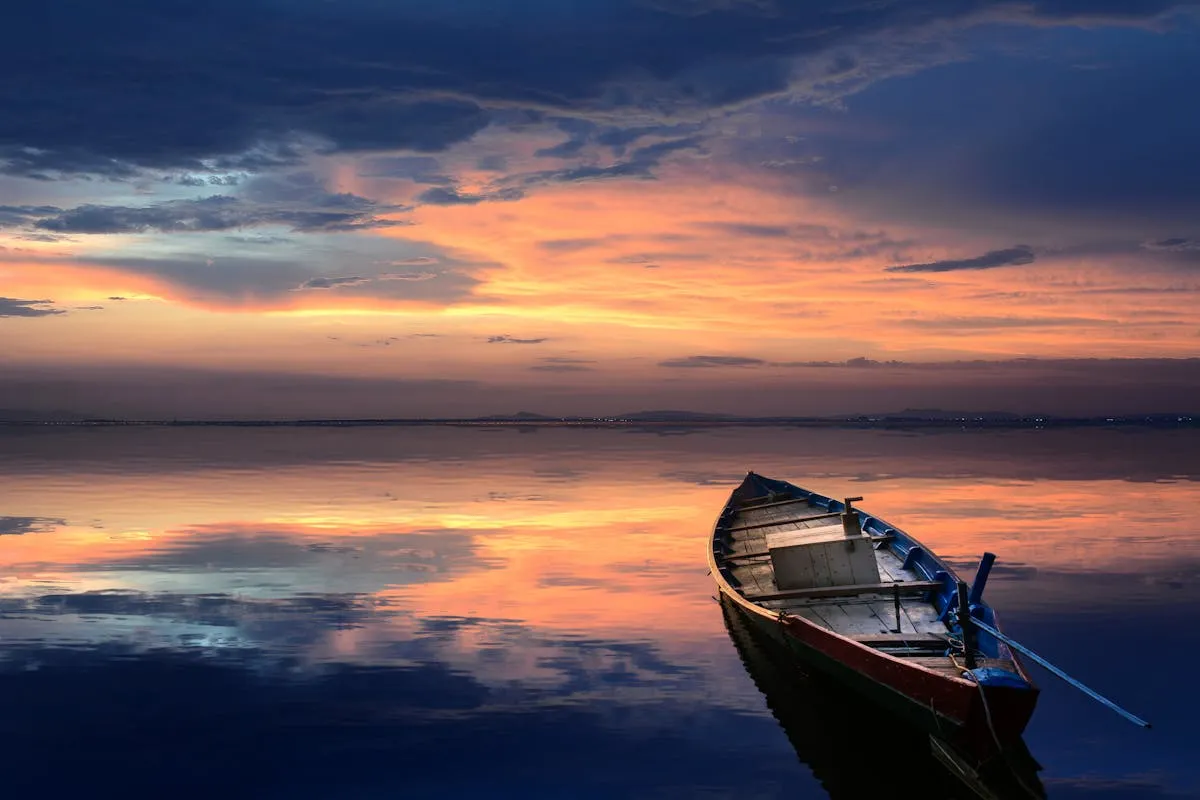
This style of travel has become increasingly popular as more local islands have opened guesthouses. It is now entirely possible to plan a multi-island trip on a modest budget, and the connections between islands, while not always straightforward, are part of the adventure. For a deeper look at staying on local islands, see our dedicated guide.
Public Ferries vs Speedboats
There are two main ways to travel between islands: government-run public ferries and private speedboat transfers. Public ferries are the budget option. They connect many inhabited islands within the same atoll and cost just a few dollars per trip. The trade-off is that schedules can be limited - some routes run only a few times a week - and journey times are longer because ferries make multiple stops.
Speedboats are faster and more flexible but significantly more expensive. A speedboat transfer between islands in the same atoll might cost thirty to eighty dollars per person, while longer inter-atoll transfers can run into the hundreds. Some guesthouse owners arrange shared speedboats for their guests, which brings the price down. For full details on transport options, check our guide to getting around the Maldives.
Domestic flights and seaplanes connect the more distant atolls, and these are worth considering if you want to cover a large area without spending days on boats. However, for a true island-hopping experience within one or two atolls, ferries and speedboats are the way to go.
Popular Island Hopping Routes
The most well-trodden island hopping route runs through Kaafu Atoll, the atoll that contains Malé. Islands like Maafushi, Guraidhoo, and Thulusdhoo are close to the capital and well connected by ferry. Each has its own personality - Maafushi is the most developed for tourism with dozens of guesthouses, Guraidhoo offers a more local feel, and Thulusdhoo is known for its surf breaks and laid-back vibe.
Another popular route follows the South Ari Atoll, where whale shark sightings draw visitors to islands like Dhigurah and Maamigili. You can spend a few days on each, snorkelling with whale sharks and exploring the surrounding reefs, before heading to the next island.
In Vaavu Atoll, the island of Fulidhoo has gained a reputation as a quiet, beautiful base with excellent diving nearby. From there, day trips to uninhabited islands and sandbanks are easy to arrange. For a broader overview of routes and islands, see our island hopping planner.
Planning Your Itinerary
The key to a smooth island hopping trip is not trying to do too much. Ferry schedules can be unpredictable, weather can delay transfers, and some of the best moments happen when you slow down and let an island reveal itself over a couple of days rather than rushing through in one night.
A good rule of thumb is to spend at least two nights on each island. This gives you a full day to explore, snorkel, and take excursions without feeling rushed. Build in a buffer day somewhere in your itinerary in case a ferry is cancelled or you simply fall in love with a place and want to stay longer.
Check ferry schedules before you finalise your route. Your guesthouse hosts are often the best source of current information, as schedules can shift with little notice. It helps to have your next guesthouse booked in advance, especially during peak season from December to April, when popular islands fill up.
Budget Tips for Island Hoppers
Island hopping on local islands is one of the most affordable ways to experience the Maldives. Guesthouse rooms typically range from forty to one hundred dollars a night, meals at local cafes cost five to fifteen dollars, and public ferries are just a couple of dollars per ride. Excursions like snorkelling trips, dolphin cruises, and sandbank visits are priced competitively on local islands, usually between twenty and sixty dollars per person.
To save money, book guesthouses that include breakfast, eat at local cafes rather than hotel restaurants, and use public ferries wherever possible. Avoid unnecessary speedboat transfers by planning your route to follow ferry connections. Travelling in the shoulder months of November or April can also mean lower prices and fewer crowds.
Combining Local Islands with Resort Day Visits
Many resorts offer day passes that allow non-guests to use their facilities - beach, pool, restaurant, and sometimes the house reef for snorkelling. This can be a wonderful way to get a taste of the resort experience without paying resort prices for an overnight stay. Day passes typically cost between eighty and two hundred dollars, including lunch and use of non-motorised water sports equipment.
Your guesthouse can usually arrange a speedboat to a nearby resort for a day visit. It is a nice contrast - you get the luxury for an afternoon and then return to the authentic atmosphere of your local island in the evening.
What to Pack for Island Hopping
Travel light. You will be moving between boats, jetties, and small guesthouses, so a backpack or soft-sided bag is much easier to manage than a rigid suitcase. Essentials include reef-safe sunscreen, a reusable water bottle, a dry bag for electronics during boat transfers, modest clothing for walking around local islands (shoulders and knees covered outside the bikini beach area), and your snorkelling gear if you have your own. A quick-dry towel and a light rain jacket round out the list - the weather can shift quickly, and an afternoon rain shower is always a possibility.