 Maldives Compass
What Are Sandbanks and How Do They Form?
Sandbanks are small, low-lying accumulations of sand that rise just above the surface of the ocean, usually within the shallow waters of an atoll lagoon. They are formed by the constant movement of ocean currents and wave action, which gradually deposit fine coral sand in areas where the water flow slows down. Over time, these deposits build up to create patches of sand that are exposed at low tide and sometimes even at high tide.
In the Maldives, sandbanks are a natural and ever-changing feature of the landscape. They can appear, shift, grow, shrink, and even disappear entirely over the course of months or years as currents change direction with the seasons. This impermanence is part of their charm. No two visits to the same sandbank are quite alike, and some of the most beautiful ones are relatively recent formations. To learn more about these fascinating geological features, see our page on sandbanks and lagoons.
The Difference Between Sandbanks and Islands
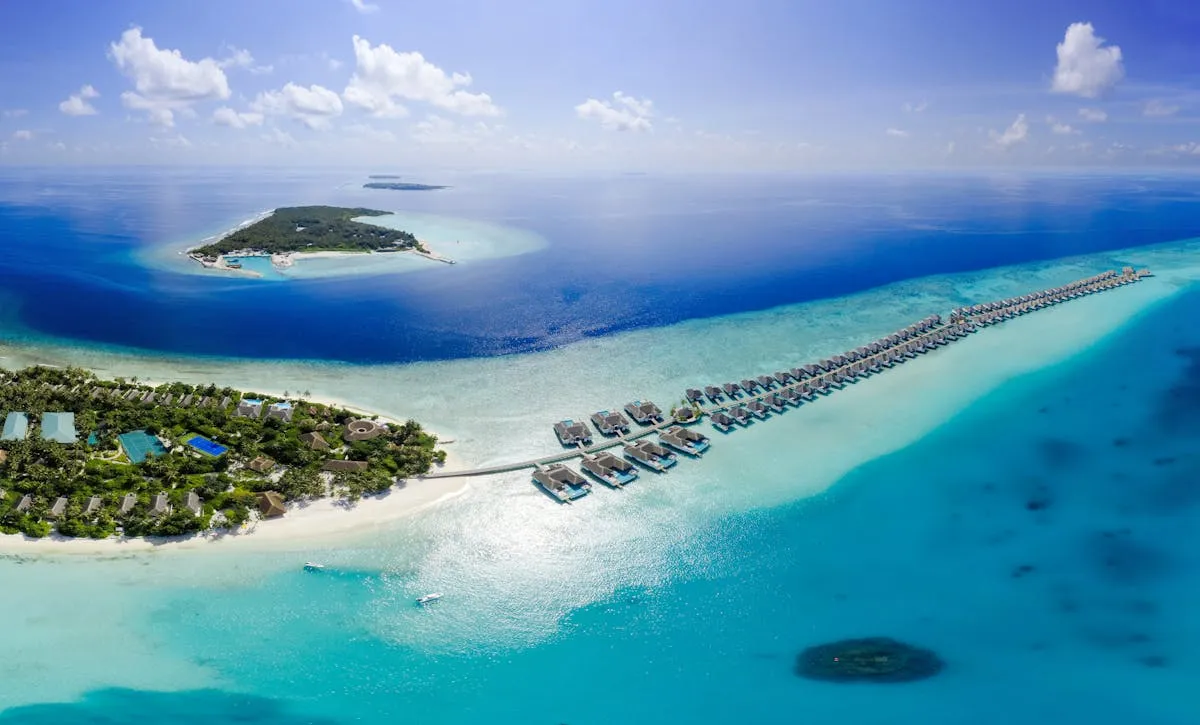
While they might look similar from a distance, sandbanks and islands are quite different. An island in the Maldives, even a tiny uninhabited one, has established vegetation. Trees, bushes, and grasses have taken root in soil that has accumulated over many years. Islands are stable enough to support plant life and are generally permanent features of the atoll.
Sandbanks, on the other hand, are bare. There are no trees, no plants, and no soil. They are pure sand, often just a metre or two above the water at their highest point. This means there is no shade, no shelter from wind, and no fresh water. What they do offer is an unusual sense of isolation and beauty. Standing on a sandbank in the middle of a vast turquoise lagoon, with nothing but ocean and sky in every direction, is one of the most memorable experiences the Maldives has to offer.
Famous Sandbanks to Visit
The Maldives is dotted with hundreds of sandbanks, and new ones form regularly. Some have become well-known destinations for excursions and are visited by boats from nearby resorts and guesthouses. In South Ari Atoll, several beautiful sandbanks sit within easy reach of guesthouse islands like Dhigurah and Mahibadhoo. North Malé Atoll has sandbanks that are accessible on day trips from the capital.
Baa Atoll, a UNESCO Biosphere Reserve, is home to some particularly photogenic sandbanks surrounded by rich coral reefs. Raa Atoll and Lhaviyani Atoll also have beautiful examples that see fewer visitors, giving you an even greater sense of seclusion. Your guesthouse or resort can point you toward the best sandbanks in their area, as locals know exactly where the current formations are and which ones are at their best during your visit.
How Sandbank Excursions Work
Visiting a sandbank is one of the most popular excursions offered by both resorts and local island guesthouses. A typical trip involves a boat ride of 15 to 45 minutes from your island to the sandbank, where you are dropped off with whatever supplies you need. Basic trips provide drinking water and snorkelling gear, while more elaborate sandbank picnics include a full meal, shade canopies, chairs, and even barbecue setups.
Most excursions last two to four hours, giving you plenty of time to explore, swim, snorkel, take photos, and simply soak in the notable surroundings. The boat crew either waits nearby or returns at an agreed time to collect you. Prices vary widely depending on the level of service, from around 20 to 40 US dollars for a basic trip from a local island guesthouse, up to several hundred dollars for a private luxury picnic arranged by a resort.
Photography on Sandbanks
Sandbanks are among the most photogenic spots in the entire Maldives. The pure white sand contrasting with the impressive blues and greens of the surrounding water creates images that look almost surreal. The flat, open setting means you get beautiful light throughout the day, though morning and late afternoon produce the warmest and most dramatic tones.
For the best photo opportunities, bring a wide-angle lens to capture the sweeping panorama of sand and sea. If you have access to a drone, aerial shots looking straight down at a sandbank reveal patterns where the sand meets the water. Even a smartphone can produce results here thanks to the naturally vivid colours and clean compositions. Just remember to protect your camera equipment from sand and salt spray.
Tidal Changes and Timing
Tides have a significant effect on sandbanks. At low tide, a sandbank may be a generous stretch of sand large enough for a group to spread out comfortably. At high tide, the same sandbank might shrink to a fraction of its size or disappear entirely beneath the waves. This means timing your visit is important, and experienced boat operators will schedule excursions to coincide with low or mid-tide for the best experience.
The changing tides also create interesting visual effects. As the water rises and falls, the colours of the lagoon around the sandbank shift and change. The shallow water at the edges of a sandbank at low tide glows in the palest shade of turquoise imaginable, almost white in its intensity. Your boat captain will know the tide schedule and can advise on the best window for your visit.
Snorkeling Around Sandbanks
Many sandbanks are located near or on top of shallow reef formations, making them excellent snorkelling spots. The surrounding waters are often home to colourful reef fish, small rays, and even baby reef sharks that patrol the shallow areas. The clarity of the water around sandbanks is usually exceptional, giving you excellent visibility as you explore.
Some of the best snorkelling is found where the shallow sandbank drops off into deeper water. This transition zone between the sandy shallows and the reef edge attracts a wide variety of marine life. If you are lucky, you might spot sea turtles grazing on seagrass or small octopuses hiding among the coral rubble. Snorkelling gear is typically included in sandbank excursion packages, so you do not need to bring your own.
Best Atolls for Sandbank Visits
While sandbanks can be found throughout the Maldives, some atolls are particularly well known for their striking examples. South Ari Atoll stands out for the sheer number and beauty of its sandbanks, many of which are easily accessible from popular guesthouse islands. Baa Atoll combines beautiful sandbanks with exceptional marine life, making it ideal for visitors who want to combine a sandbank visit with great snorkelling.
Vaavu Atoll and Dhaalu Atoll have quieter sandbanks that see fewer tourists, perfect for anyone seeking a more private experience. North Malé Atoll sandbanks are convenient for day trips if you are based in or near the capital. Whichever atoll you visit, a sandbank excursion is one of those quintessentially Maldivian experiences that deserves a place on every traveller's itinerary. The combination of clean sand, crystal-clear water, and total tranquillity is something you simply will not find anywhere else on earth.