 Maldives Compass
A World-Class Surf Destination
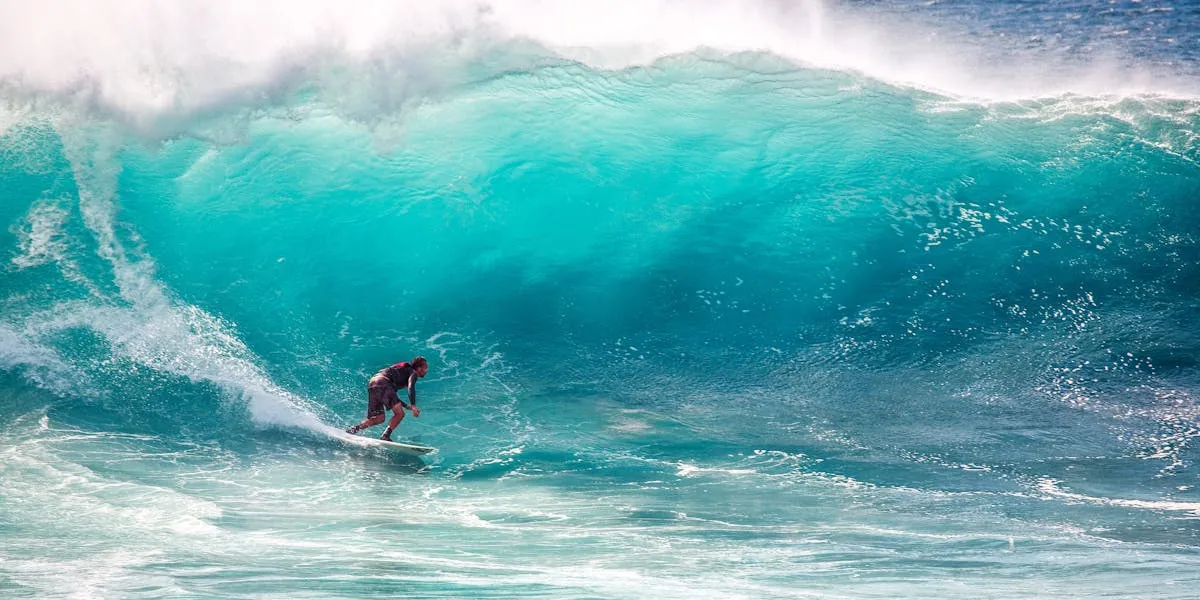
The Maldives might be best known for its turquoise lagoons and luxury resorts, but among surfers it has a different reputation entirely - as one of the finest wave destinations on earth. The country's chain of atolls sits directly in the path of Indian Ocean swells, and the coral reefs that ring each atoll create perfectly shaped waves that break with impressive consistency during the right season.
What sets Maldivian surfing apart is the combination of quality and setting. You are surfing warm, crystal-clear water over living coral reefs, with palm-fringed islands on the horizon and barely another soul in sight on a good day. The water temperature hovers around twenty-eight to thirty degrees Celsius year-round, so there is no need for a wetsuit - boardshorts or a rashguard are all you need. It is surfing stripped down to its purest form.
Main Surf Zones
Maldivian surf breaks are grouped into three main zones, each with its own character and level of accessibility.
The North Malé or Kaafu Atoll zone is the most accessible and the most surfed. It is close to the international airport and home to the country's most famous breaks. Islands like Thulusdhoo and Himmafushi have become surf hubs, with guesthouses catering specifically to surfers and boat transfers running to nearby breaks throughout the day. This zone suits all levels and is where most visiting surfers spend their time.
The Central Atolls, particularly Meemu and Laamu, offer more remote surf with fewer crowds. Access is usually by safari boat or domestic flight followed by a speedboat transfer. The waves here can be excellent, and on a good day you might have a world-class break entirely to yourself. These zones are better suited to intermediate and advanced surfers who are comfortable with reef breaks and variable conditions.
The Southern Atolls, including Addu and Huvadhoo, are the least explored and the most adventurous option. Getting there requires either a domestic flight or a multi-day boat trip, but the reward is truly uncrowded surf in a clear environment. Some surf charters venture south specifically to explore breaks that see only a handful of surfers each season.
Famous Breaks
Cokes, located off Thulusdhoo island, is arguably the most famous wave in the Maldives. It is a fast, hollow right-hander that breaks over a shallow reef, producing barrels that have featured in surf films for decades. Cokes is best at medium to high tide and works well on south to southwest swells. It is a high-performance wave suited to experienced surfers.
Chickens, just across the channel from Thulusdhoo, is a long, walling left-hander that offers more forgiving rides than Cokes. It is a good wave for intermediate surfers and a fun option on days when Cokes is too intense. The wave gets its name from the chicken farm that once sat on the island nearby.
Jailbreaks, off Himmafushi, is a right-hand point break named for its proximity to the island's former prison. It is one of the most user-friendly quality waves in the Maldives, with long rides and a forgiving takeoff that suits a range of abilities. Jailbreaks is often the first wave visiting surfers try, and it rarely disappoints.
Sultans and Honkys are both located near Thanburudhoo island. Sultans is a long, peeling right with multiple sections that can link up on a bigger swell, producing rides of two hundred metres or more. Honkys, next door, is a punchier, shorter wave that offers quick barrels. Both breaks are accessible from the nearby resort island or by boat from Malé area guesthouses.
Pasta Point is a legendary left-hand break that was exclusively accessible to guests of a single resort island for many years. It remains one of the best waves in the country - a perfectly shaped, mechanical left that reels along the reef for a hundred metres or more. Access policies have varied over the years, so check current arrangements before planning a trip specifically for this break.
Best Season for Surfing
The prime surf season runs from April to October, coinciding with the southwest monsoon. During these months, consistent swells generated by storms in the southern Indian Ocean travel north and hit the Maldivian atolls, producing clean, well-shaped waves. The peak months are typically May through August, when swells are most frequent and the largest.
The monsoon does bring more rain and wind than the dry season, but conditions are generally manageable. Rain showers tend to be short, and the wind often drops in the mornings and evenings, creating glassy conditions for dawn and dusk sessions. The northeast monsoon season from November to March is generally flat in the main surf zones, though occasional swells do arrive and can produce fun waves with lighter crowds.
Surf Camps and Charter Boats
Surf camps on local islands have transformed access to Maldivian waves. On Thulusdhoo and Himmafushi, several guesthouses cater specifically to surfers, offering affordable accommodation, board storage, daily boat transfers to breaks, and local knowledge about conditions. Staying at a surf camp on a local island is the most budget-friendly way to surf the Maldives, with packages that include accommodation, meals, and boat transfers starting from around eighty to one hundred and fifty dollars per day.
Surf charter boats, sometimes called safari boats or liveaboards, offer a different experience. You live on the boat for a week or more, moving between atolls and surf breaks as conditions dictate. The captain and crew monitor swells and wind to position you at the best break each day. Charter trips are more expensive - typically two thousand to four thousand dollars per person for a week - but they give you access to remote breaks that land-based surfers cannot easily reach.
Beginner vs Advanced Waves
The Maldives is primarily an intermediate to advanced surf destination. Most breaks are reef breaks, which means the waves break over coral rather than sand. Falls can result in contact with sharp reef, so a degree of surfing competence and ocean awareness is important. Reef boots or booties are recommended for most breaks.
That said, there are options for less experienced surfers. Jailbreaks and some of the softer inside sections at Sultans are manageable for confident intermediate surfers. A few spots produce gentle, rolling waves that are suitable for beginners with some supervision. Some surf camps offer lessons for beginners in calmer lagoon areas before taking them out to the reef breaks. Other water activities like kayaking and paddleboarding offer alternative ways to enjoy the ocean if the surf is beyond your level.
Local Island Surfing vs Resort Access
The rise of local island guesthouses has democratised surfing in the Maldives. Previously, most breaks were accessible only through expensive resort stays or charter boats. Now, islands like Thulusdhoo and Himmafushi put surfers within a short boat ride of multiple world-class breaks at a fraction of the cost. The local island experience also gives you a connection to Maldivian culture and daily life that resorts simply cannot offer.
Some resorts do still control access to certain breaks, either by limiting the number of surfers or by being the only practical departure point for reaching a particular wave. If there is a specific break you want to surf, research access arrangements before booking. For most visiting surfers, though, the local island option in Kaafu Atoll provides everything you need - great waves, affordable accommodation, and a rich surf community that welcomes visitors warmly.