 Maldives Compass
Eating on Local Islands
A guide to eating on local islands in the Maldives - guesthouse meals, local cafes, typical prices, authentic Maldivian food, and what to expect when dining outside the resort bubble.
From sprawling breakfast buffets to overwater fine dining and underwater restaurants, resort eating in the Maldives is an experience in itself - here is how to navigate it.
One of the first decisions when booking a Maldives resort stay is choosing a meal plan. Since resort islands are isolated - you cannot walk to a restaurant down the street - your meal plan choice significantly affects both your daily experience and your final bill.
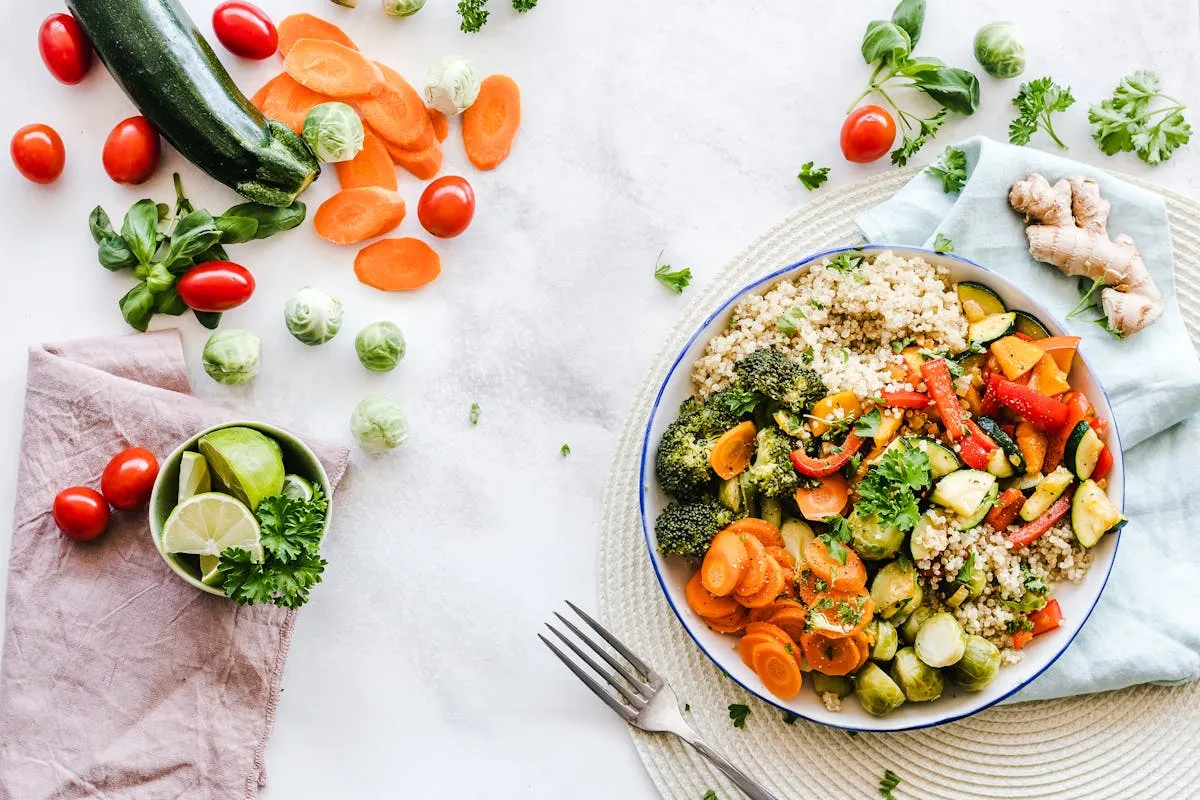
The right choice depends on your budget and eating style. All-inclusive plans offer peace of mind - no surprise bills at checkout - but they can feel restrictive if the resort has excellent specialty restaurants that are not covered. Half board is often the best value for couples who want flexibility for lunch.
Most Maldives resorts offer multiple dining venues, each with its own style:
Most resorts include at least one Maldivian-themed night per week in their buffet rotation. This is your best opportunity to try local dishes in a resort setting - expect mas huni, garudhiya, fish curry, hedhikaa snacks, and traditional desserts. Some resorts also offer Maldivian cooking classes where guests can learn to prepare local dishes with the chef.
For a more authentic food experience, consider spending a day or two on a local island where you can eat the same food Maldivians eat at home.
Maldives resorts are renowned for their private dining experiences. Popular options include:
These experiences typically cost USD 200-1,000+ per couple, depending on the resort and the level of customisation. They are among the most memorable dining experiences in the Maldives and are worth considering for special occasions.
Resort dining is the most significant variable cost in a Maldives holiday. A la carte main courses at specialty restaurants typically range from USD 30-80. A bottle of wine can cost USD 50-200+. Cocktails average USD 15-25. These prices reflect the logistical reality of shipping ingredients to remote islands, plus the premium positioning of resort dining.
Most resorts handle dietary requirements well. Vegetarian, vegan, gluten-free, halal, and other dietary needs can usually be accommodated - just inform the resort in advance. Larger resorts often have dedicated menu sections for common dietary preferences. If you have severe allergies, communicate these clearly before arrival so the kitchen can prepare.