 Maldives Compass
Overview of Gaafaru
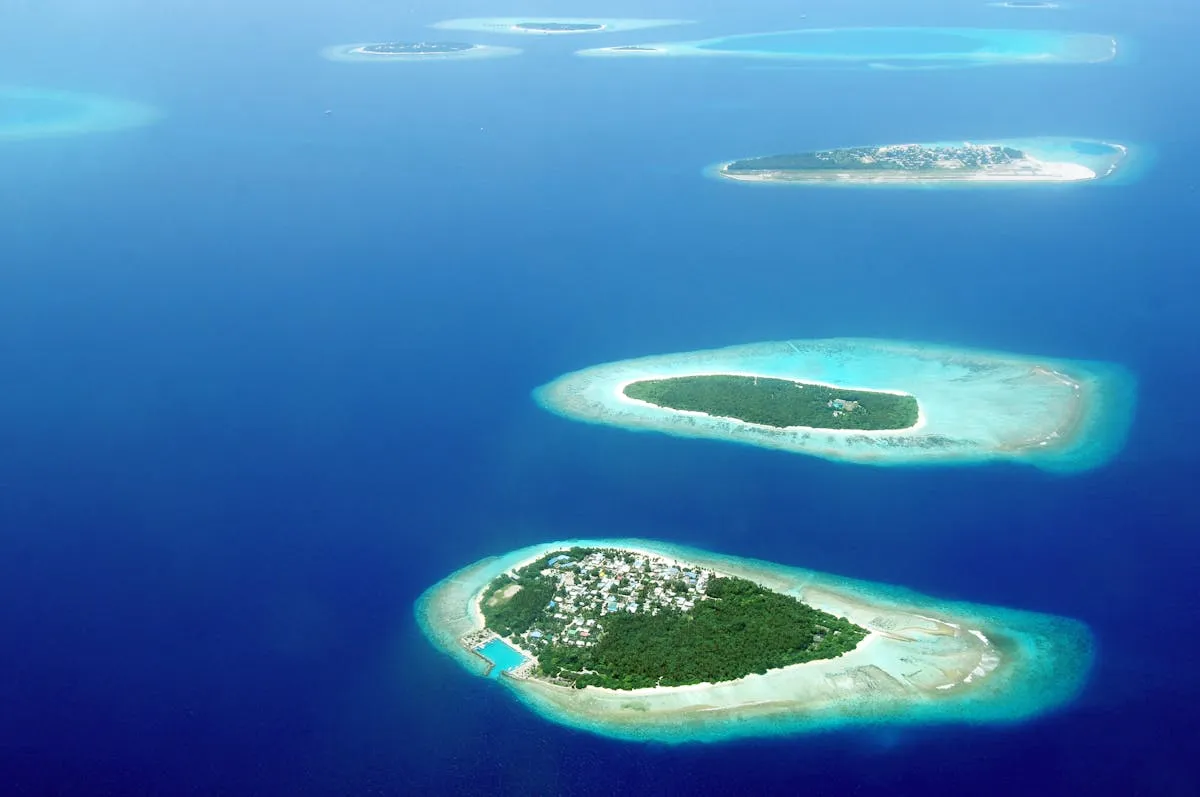
Gaafaru is one of the most remote and least-visited inhabited islands accessible from Malé. Technically part of Kaafu Atoll but sitting on its own separate reef roughly 35 kilometres north of the capital, Gaafaru occupies a unique position on the outer edge of a large, isolated reef system that has been the site of numerous shipwrecks over the centuries. With a population of around 1,500 people, the island remains deeply connected to its fishing heritage and receives only a handful of tourists at any given time. For travellers willing to make the journey, Gaafaru offers some of the most authentic local island experiences in the Maldives, along with diving and snorkeling that rivals anywhere in the country.
The Shipwreck Reef
Gaafaru's reef has been a graveyard for ships for hundreds of years. The island sits on a large, shallow reef platform that extends far from the visible shoreline, creating a hazard that has claimed vessels from the age of sail through to modern cargo ships. Several wrecks lie in diveable depths around the reef, their hulls now encrusted with coral and home to thriving communities of marine life. The most famous wreck is a large cargo vessel that sank on the reef's northern edge, now resting in relatively shallow water and accessible to both divers and adventurous snorkelers. These wrecks attract schools of batfish, grouper, and jacks, while reef sharks and eagle rays patrol the deeper surrounding waters. For wreck diving enthusiasts, Gaafaru is one of the most rewarding destinations in the entire Maldives.
Untouched Marine Environment
Beyond the wrecks, Gaafaru's reef system is remarkably healthy, benefiting from its isolated position and the relatively low human impact from the small island community. The house reef offers excellent snorkeling, with hard coral gardens, sea fans, and abundant reef fish visible in clear water. The outer reef drops away steeply into deep blue water, and channel dives around the reef's edges reveal pelagic species including grey reef sharks, whitetip sharks, and occasional hammerheads. Manta rays visit cleaning stations on the reef during the northeast monsoon season, and the nutrient-rich waters attract large schools of fusiliers, trevally, and other open-water species.
Getting There and Staying
Reaching Gaafaru requires more effort than visiting the popular islands closer to Malé, which is precisely what keeps it quiet and unspoiled. Speedboat transfers from Malé take roughly 90 minutes depending on sea conditions, and public ferry services run on limited schedules, typically a few times per week. The island has a small number of guesthouses that offer basic but comfortable accommodation, and advance booking is strongly recommended since capacity is limited. There are a few small local restaurants and shops, but visitors should not expect the range of dining and services available on more developed tourist islands. This is part of Gaafaru's charm - it is a place where you adapt to island rhythms rather than expecting the island to cater to your usual routine.
A Genuine Fishing Community
Gaafaru is, first and foremost, a fishing island. The local economy revolves around tuna fishing and reef fishing, and the harbour is the centre of daily activity. Watching the boats come in with their catches in the late afternoon is one of the most rewarding experiences on the island, and the fresh fish that ends up on guesthouse tables is as good as it gets anywhere in the Maldives. The community is small and tight-knit, and visitors who show genuine interest in local life are typically received with warmth and curiosity. Walking through the island reveals a community that has changed little in recent decades - coral-stone walls, sandy lanes, children playing by the shore, and the ever-present sound of the sea.
Best Time to Visit
The dry season from December to April offers the calmest seas and most comfortable crossing from Malé, as well as the best underwater visibility for diving and snorkeling. The wet season from May to November can bring rough seas that make the boat transfer challenging, though the diving can be excellent with increased marine activity and manta ray sightings. Because Gaafaru sits on an exposed outer reef, weather and sea conditions have a bigger impact here than on sheltered inner-atoll islands, so checking conditions before booking your transfer is advisable.