 Maldives Compass
A Fishing Island First
Gaafaru's identity revolves around fishing to a degree that is rare even by Maldivian standards. The island's position on an isolated outer reef gives its fishermen access to both the rich waters of the reef itself and the deep pelagic zone beyond, and they exploit both with skill and persistence. The daily rhythm of the island is set by the comings and goings of fishing boats - departure before dawn, return in the late afternoon, followed by the communal activity of processing and distributing the catch. Tuna is the primary target, caught using pole-and-line methods that are both traditional and sustainable, but reef fishing for grouper, snapper, and other species supplements the tuna economy. The quality and freshness of the fish on Gaafaru is exceptional, and meals at guesthouses feature seafood that was swimming hours before it reaches your plate.
A Community Shaped by Isolation
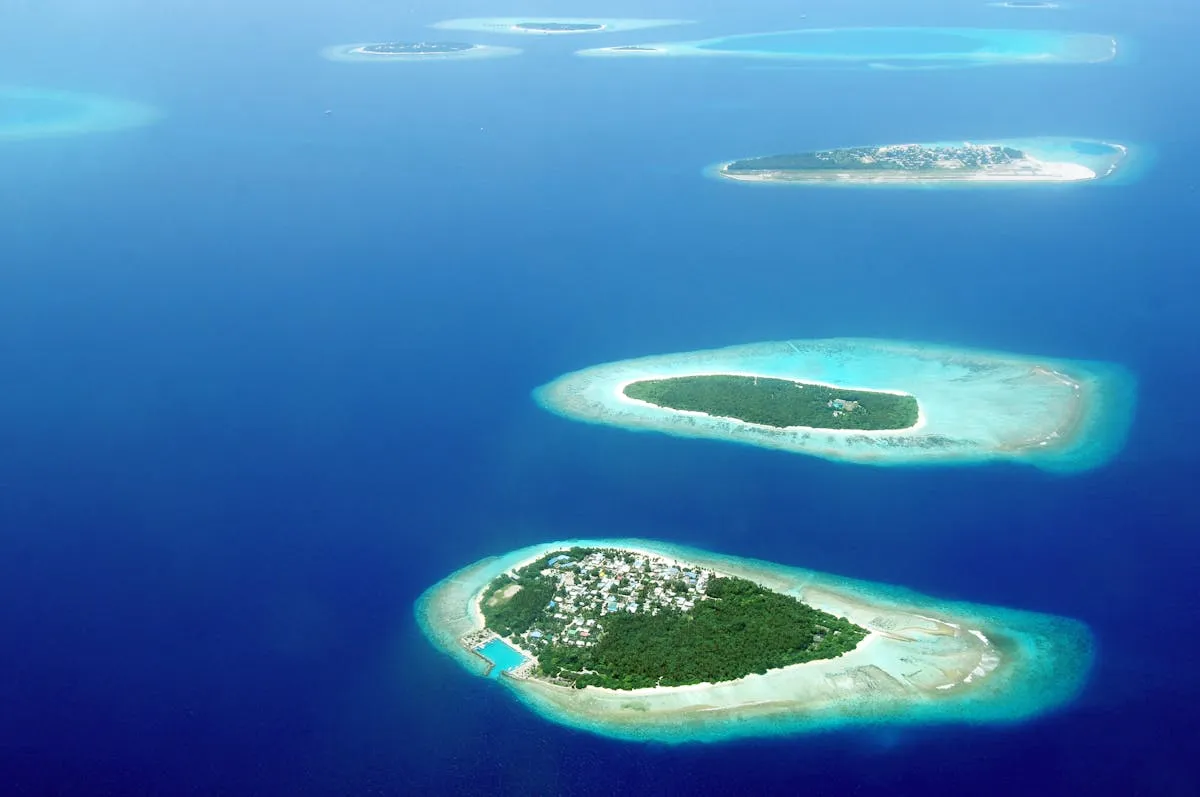
Gaafaru's distance from Malé and other populated islands has shaped a community that is more self-reliant and inward-looking than those on easily accessible islands. Residents have developed strong internal social bonds, and there is a palpable sense of shared identity and mutual support that comes from living together on a small piece of land surrounded by vast ocean. The island has its own school, mosque, and basic shops, but for anything beyond essentials, residents must travel to Malé - a journey that was considerably more arduous before modern speedboats. This history of isolation means that Gaafaru retains cultural practices and social norms that have faded on more connected islands, giving visitors a rare window into a way of life that is disappearing elsewhere in the Maldives.
Visitor Experience
Visiting Gaafaru as a tourist is a qualitatively different experience from staying on established tourist islands. You will likely be one of very few foreign visitors, and your presence will be noticed with friendly curiosity. Local residents may invite you for tea, show you their fishing boats, or share stories about the shipwrecks on the reef. These interactions are spontaneous and genuine rather than commercially motivated, and they offer the kind of cultural exchange that is difficult to find on islands where tourism has become the dominant industry. In return, showing respect for local customs - dressing modestly, asking before photographing people, and expressing appreciation for hospitality - goes a long way toward making your visit positive for both you and the community.
The Pace of Island Time
Time on Gaafaru moves at its own pace, governed by prayer times, tides, and the position of the sun rather than by tourist schedules or activity timetables. Mornings are active, afternoons are quiet, and evenings bring the community together in a way that feels ancient and deeply human. There is no nightlife, no entertainment beyond conversation and the sound of the ocean, and limited connectivity to the outside world. For some visitors this simplicity is exactly what they need - a genuine disconnection from the noise of modern life and an immersion in a community where the essentials of food, family, faith, and the sea are still the things that matter most.