 Maldives Compass
Overview
Ukulhas is a small inhabited island in North Ari Atoll (Alifu Alifu Atoll) that has earned international recognition for its pioneering approach to waste management and environmental sustainability. With a population of roughly 1,100 people, this unassuming island has become a model for how small island communities in the Maldives can tackle the enormous challenge of waste disposal while simultaneously building a tourism economy that respects and preserves the natural environment.
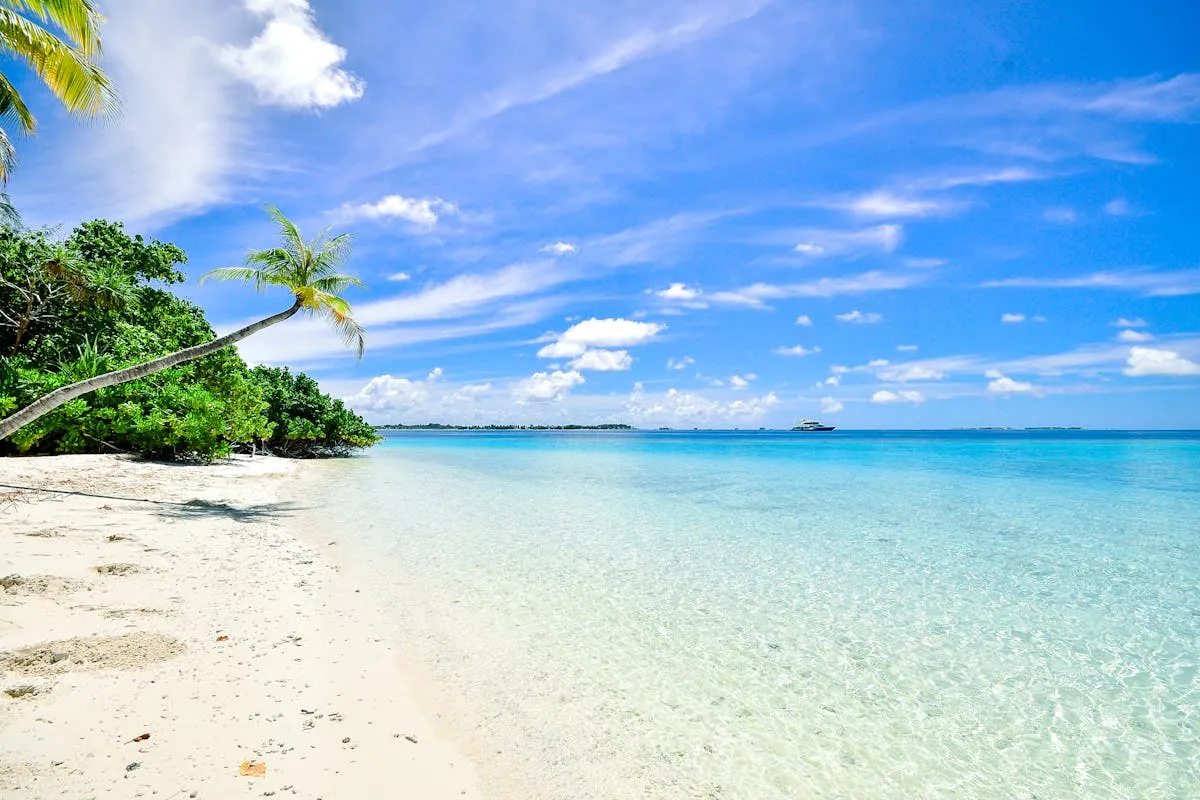
But Ukulhas is far more than an environmental case study. The island possesses one of the most beautiful bikini beaches found on any local island in the Maldives - a long, sweeping crescent of powdery white sand lined with coconut palms and sea grapes that extends along the northern tip of the island. The surrounding waters are exceptionally clear, with a healthy house reef that begins just a short swim from shore and hosts reef sharks, turtles, rays, and a kaleidoscope of tropical fish. For travellers seeking a quieter, more conscientious alternative to the busier guesthouse islands like Maafushi, Ukulhas offers an ideal balance of natural beauty, genuine local culture, and comfortable visitor facilities.
The Eco-Island Story
Ukulhas made headlines in 2014 when it won the BAA Atoll Clean Environment Award, and the island's waste management system has since been studied by environmental organizations across the region. Where most Maldivian islands simply burned or dumped their waste, Ukulhas implemented a comprehensive sorting and recycling system. Residents separate waste at the household level into organic, recyclable, and non-recyclable categories. Organic waste is composted to produce fertilizer for island gardens, while recyclables are collected and shipped to facilities that can process them. The system, managed by a dedicated waste management centre on the island, has dramatically reduced the volume of waste that would otherwise end up in the ocean or on the island's shores.
The environmental consciousness extends beyond waste management. Ukulhas maintains its vegetation carefully, with mature breadfruit trees, coconut palms, and flowering shrubs creating a lush canopy that keeps the island noticeably cooler than more developed islands. The community has also been proactive about reef protection, discouraging anchoring on coral and supporting sustainable fishing practices. For eco-conscious travellers, staying on Ukulhas feels like supporting a community that genuinely walks the talk when it comes to environmental stewardship.
Beach and Marine Life
The bikini beach on Ukulhas is consistently ranked among the best local island beaches in the Maldives. Unlike many local island beaches that are small and cramped, the Ukulhas beach stretches for several hundred metres along the island's northern and eastern shoreline. The sand is exceptionally fine and white, the water transitions from pale turquoise in the shallows to deep blue beyond the reef edge, and the beach is kept remarkably clean - a direct benefit of the island's waste management efforts.
Snorkelling from the beach provides access to an outstanding house reef where blacktip and whitetip reef sharks cruise the reef edge, green and hawksbill turtles graze on seagrass and coral, and spotted eagle rays glide past in the deeper water. During manta ray season, typically from November through April in this part of Ari Atoll, boat excursions can take visitors to nearby cleaning stations where these grand creatures congregate. Dolphin watching trips at sunset are another popular activity, with spinner dolphins frequently spotted in the channels around the atoll.
Explore Ukulhas Guides
Things to Do
Snorkelling, sandbank picnics, dolphin watching, fishing, and island excursions.
How to Get There
Speedboat and ferry connections from Malé, travel times, and practical tips.
Beaches
The famous long bikini beach and why it is one of the best in the Maldives.
Local Life
Waste management pioneer, eco-friendly practices, and community culture.
Snorkeling
House reef exploration, reef sharks, turtles, and the best underwater spots.