Dolphin Watching in the Maldives

Watch pods of spinner dolphins leap, twist, and play in the warm waters of the Indian Ocean. The Maldives is one of the best places in the world to see dolphins in the wild.

Dolphins of the Maldives

The Maldives is home to a remarkable diversity of dolphin species. At least seven species have been recorded in these waters, and sightings are common throughout the year across all atolls. The warm, plankton-rich waters and the deep channels between atolls create ideal conditions for dolphins to feed, socialise, and raise their young.

For visitors, a dolphin watching excursion is one of the most joyful and accessible experiences the Maldives offers. It requires no swimming ability, no special equipment, and no particular fitness level. You simply board a boat, head out to where the dolphins gather, and watch.
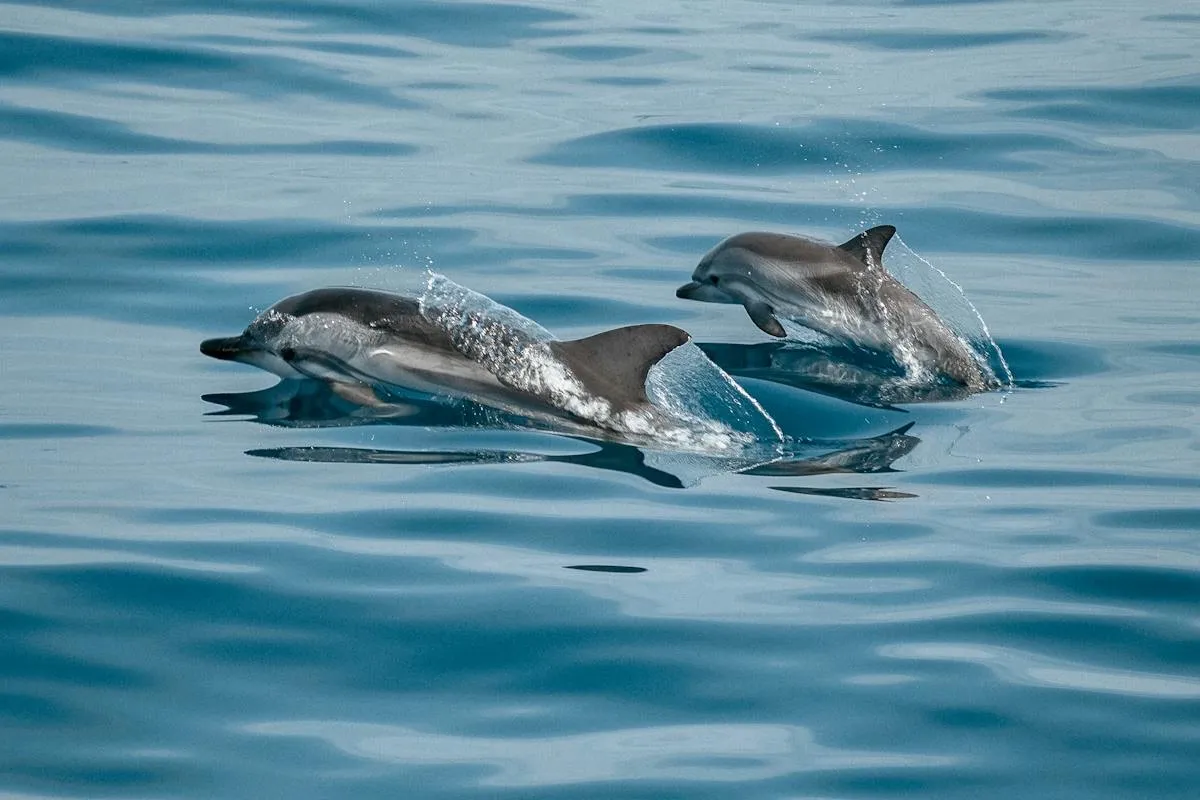
Species You May Encounter

  • Spinner dolphins — The most commonly sighted species and the star of most dolphin excursions. Spinner dolphins travel in large pods, sometimes numbering in the hundreds, and are famous for their acrobatic spinning leaps. They are typically seen in the early morning as they return from night feeding in deep water, and again in the late afternoon as they head back out.
  • Bottlenose dolphins — Larger and more robust than spinners, bottlenose dolphins are often seen in smaller groups. They are curious and sometimes approach boats.
  • Striped dolphins — Fast swimmers with distinctive blue and white striping. They are less commonly encountered but can appear in large groups.
  • Risso's dolphins — Recognisable by their blunt heads and heavily scarred grey bodies. They prefer deeper water and are seen less frequently near islands.
  • Spotted dolphins — Pantropical spotted dolphins are occasionally seen, usually in deeper waters outside the atolls.

Where and When to See Dolphins

Dolphins can be seen across the entire Maldives, but certain locations and times are more reliable.

  • Atoll channels — The deep-water channels (kandu) between islands are natural gathering points. Dolphins use these channels to move between their daytime resting areas inside the atolls and their nighttime feeding grounds in the open ocean.
  • Early morning (6:00 to 8:00) — Pods of spinner dolphins are most active in the early morning as they return from feeding. This is the best time for acrobatic displays.
  • Late afternoon (16:00 to 18:00) — As the sun begins to lower, dolphins become active again. Many operators combine dolphin watching with a sunset cruise, offering the best of both experiences.
  • Year-round — Unlike some marine encounters that are seasonal, dolphins are present in the Maldives throughout the year. Your chances of a sighting on any given trip are very high, typically over 90 percent.

A Typical Dolphin Watching Trip

Most dolphin watching excursions follow a simple format. You board a dhoni or speedboat at the island jetty and head toward a known dolphin area, usually a channel or the outer edge of the atoll reef. The captain scans the water for signs of activity — splashes, fins, or the telltale spinning leaps. Once a pod is located, the boat approaches carefully and maintains a parallel course at a respectful distance.

What happens next is entirely up to the dolphins. On a good day, a large pod of spinners may surround the boat, leaping and spinning just metres away, riding the bow wave, and seeming to put on a deliberate performance. The display can last anywhere from a few minutes to well over an hour. It is genuinely thrilling, and even experienced wildlife watchers find themselves speechless.

Responsible Dolphin Watching

Dolphins are wild animals, and their welfare should always come first. Responsible operators follow established guidelines to minimise disturbance.

  • Maintain distance — Boats should approach dolphins slowly and never chase or cut across a pod's path. A respectful parallel course at moderate distance is the standard.
  • Limit boat numbers — Too many boats around a single pod causes stress. Good operators will move on if an area is already crowded.
  • No swimming with wild dolphins — Jumping into the water with a wild dolphin pod disrupts their behaviour and can drive them away from important resting areas. Responsible operators observe from the boat only.
  • Reduce engine noise — Boats should slow down and reduce engine revs when near dolphins. Excessive noise interferes with their echolocation and communication.
  • Choose responsible operators — Ask your guesthouse or resort about their dolphin watching practices. Operators who follow the Maldives' marine mammal guidelines are the ones to support.

Booking and Costs

Dolphin watching excursions are available from almost every island in the Maldives. On local islands, trips typically cost between 20 and 40 US dollars per person. Resort excursions range from 50 to 120 US dollars. Many operators combine dolphin watching with a sunset cruise at a bundled price, which offers excellent value and a magical overall experience. Trips can usually be booked the day before through your accommodation.