 Maldives Compass
Maldivian Food Overview
An overview of Maldivian cuisine - the key ingredients like tuna, coconut, and rice, the distinctive cooking style, and the South Asian, Arab, and seafaring influences behind the food.
From pole-and-line tuna to reef fish, lobster, and octopus - the ocean is the pantry, and seafood is at the centre of every meal.
The Maldives is 99 percent ocean. With virtually no arable land for livestock grazing and limited space for agriculture, the sea has always been the primary source of protein. Seafood is not just an important part of the Maldivian diet - it is the diet. Fish appears at breakfast, lunch, dinner, and in between, and the rhythms of fishing set the tempo of daily life on most inhabited islands.
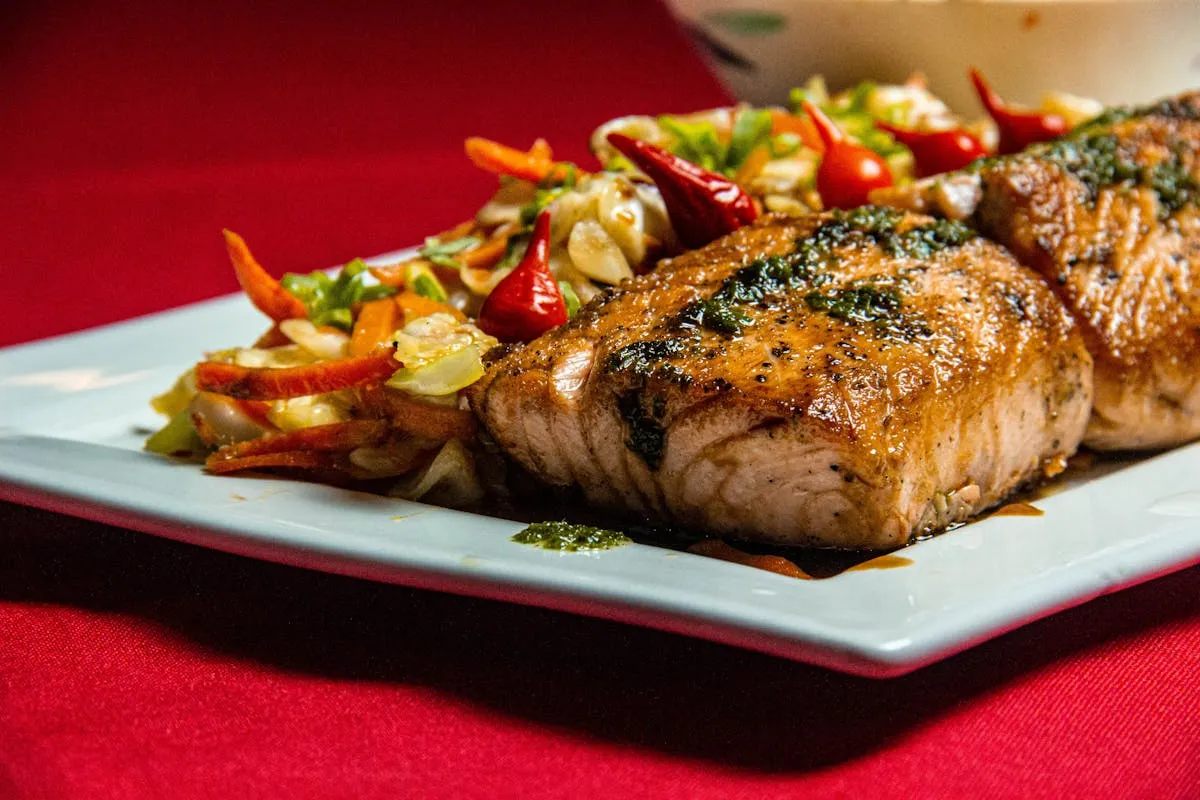
For visitors, this means the Maldives is one of the finest places on Earth to eat seafood. Whether you are at a high-end resort or a simple island guesthouse, the fish is likely to be extraordinarily fresh - often caught that same day.
Tuna dominates Maldivian cuisine in a way that few single ingredients dominate any national food culture. The most important species include:
The Maldivian pole-and-line fishing method is worth understanding. Fishermen on traditional dhoni boats locate schools of tuna, throw live baitfish into the water to create a feeding frenzy, and then use barbless hooks on poles to flick fish out of the water one at a time. It is fast, skilful, and sustainable - each fish is caught individually, with minimal bycatch. This method has earned the Maldives international recognition for responsible fishing practices.
Beyond tuna, the coral reefs surrounding every atoll support a rich variety of fish species. Reef fish are caught by handline, trap, or small nets and are commonly eaten grilled, curried, or fried:
while the reefs teem witH colourful fish, Maldivians have a strong sense of which species are for eating and which are part of the reef ecosystem. Overfishing of reef species is a growing concern, and marine conservation efforts are increasingly important.
Spiny lobster is found throughout the Maldives and is a particular highlight at resort restaurants, where it is often grilled, baked, or served in butter sauce. On local islands, lobster is less commonly eaten day-to-day but is caught for sale to resorts and for special occasions.
Crab, particularly mud crab and blue swimmer crab, appears in some island dishes. Shellfish like clams are less central to the cuisine, partly because traditional Maldivian cooking has always leaned heavily toward fin fish rather than shellfish.
Octopus (bonthi) is caught on the reef flats and is a traditional food on some islands, typically dried and then cooked in a curry. It is not as widely consumed as tuna or reef fish but holds a place in the broader seafood repertoire. Squid is also caught and used, often in curries or fried as a snack.
In a tropical climate without refrigeration, preserving fish was historically essential. The Maldives developed several preservation methods that remain in use today:
The Maldivian relationship with the ocean is one of dependence and, increasingly, one of stewardship. The pole-and-line tuna fishery is one of the most sustainable in the world, and there is growing awareness of the need to protect reef fish populations and marine habitats. For visitors, choosing sustainably caught seafood - and being mindful of reef fish consumption - is a meaningful way to support local conservation efforts.
To understand how fishing connects to the broader culture, see our page on fishing in the Maldives. For dining tips, including what to expect at local restaurants, visit our local etiquette guide.