 Maldives Compass
How the Maldives Islands Work
The atoll and island system explained.
The vast majority of the Maldives' 1,200 islands have no permanent residents - just sand, palm trees, reef, and open sky.
Of the roughly 1,200 islands in the Maldives, only about 200 are inhabited by local communities and around 170 operate as tourist resorts. That leaves more than 800 islands with no permanent human presence. These uninhabited islands range from tiny sandbanks that disappear at high tide to lush, palm-covered islands several hundred metres across. Some are leased for agricultural use, a handful serve as protected nature reserves, and many simply sit untouched in the middle of their atolls.
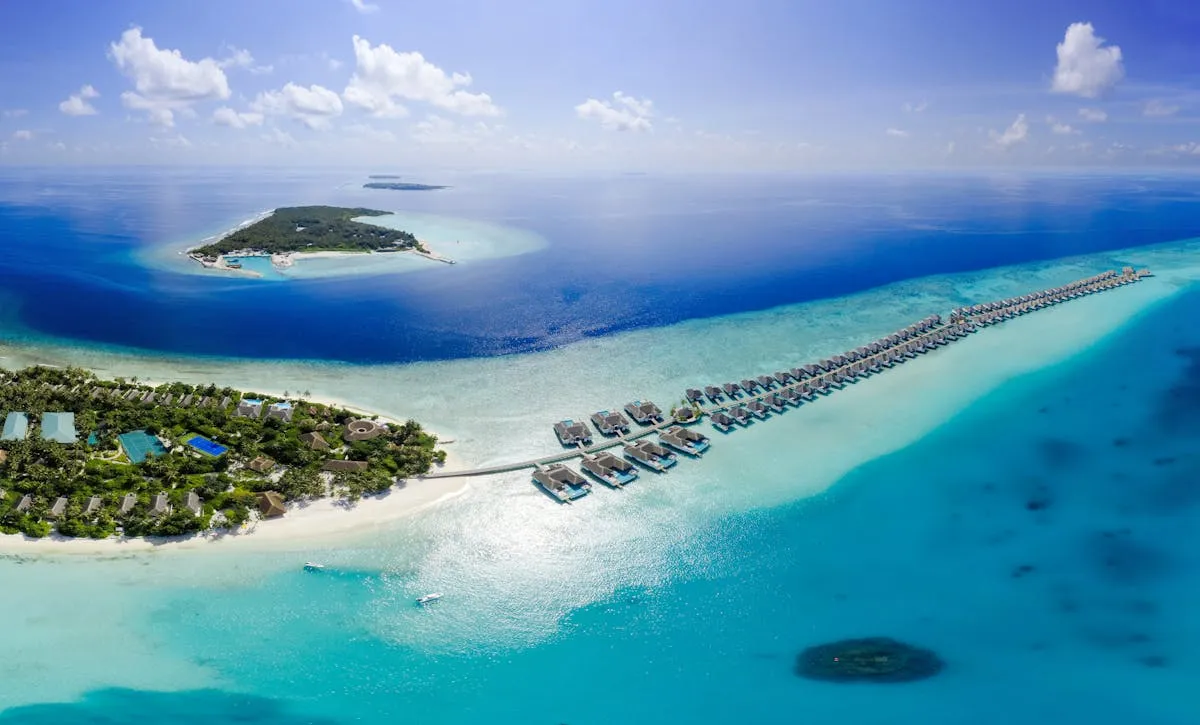
For visitors, uninhabited islands represent some of the most untouched and unspoilt natural environments in the Maldives. They offer a glimpse of what the entire archipelago looked like before human settlement, and visiting one is among the most memorable experiences available.
Not all uninhabited islands are the same. They fall into several categories depending on their size, use, and legal status:
You cannot simply travel to an uninhabited island independently in most cases. Access is typically arranged through your resort or guesthouse as part of an excursion. The most common ways to visit include:
Without human disturbance, uninhabited islands can be rich in wildlife. Seabirds nest in large colonies on some islands, including terns, noddies, and white-tailed tropicbirds. Sea turtles, particularly green turtles and hawksbill turtles, use the undisturbed beaches of uninhabited islands as nesting sites, returning each year to lay their eggs in the sand.
The reefs surrounding uninhabited islands are often in better condition than those around developed islands, with more diverse coral cover and larger populations of reef fish. Reef sharks are commonly seen in the shallows, and manta rays sometimes feed in the channels nearby. Hermit crabs, ghost crabs, and fruit bats are common on islands with vegetation.
Uninhabited islands play a critical role in the health of the Maldivian ecosystem. They provide undisturbed habitat for nesting and breeding species, act as natural seed banks for native vegetation, and their surrounding reefs contribute to the overall resilience of the atoll system. The absence of human waste, artificial lighting, and coastal modification means these islands function as they have for thousands of years.
However, even uninhabited islands face environmental pressures. Ocean plastic and debris wash ashore on beaches across the Maldives, including on islands with no human residents. Beach erosion and changing sediment patterns, potentially accelerated by climate change, threaten the physical integrity of some smaller islands. Conservation organisations and resort operators increasingly organise beach clean-ups on uninhabited islands as part of their environmental programmes.