 Maldives Compass
What Makes a Maldivian Lagoon
The lagoons of the Maldives are what most people picture when they imagine this island nation - vast expanses of impossibly turquoise water, so clear you can see the sandy bottom from the air thousands of feet above. But lagoons in the Maldives are more than just beautiful backdrops for photographs. They are dynamic marine environments shaped by the unique geology of coral atolls, and they support a rich array of life that is distinct from the coral reef habitats that surround them.
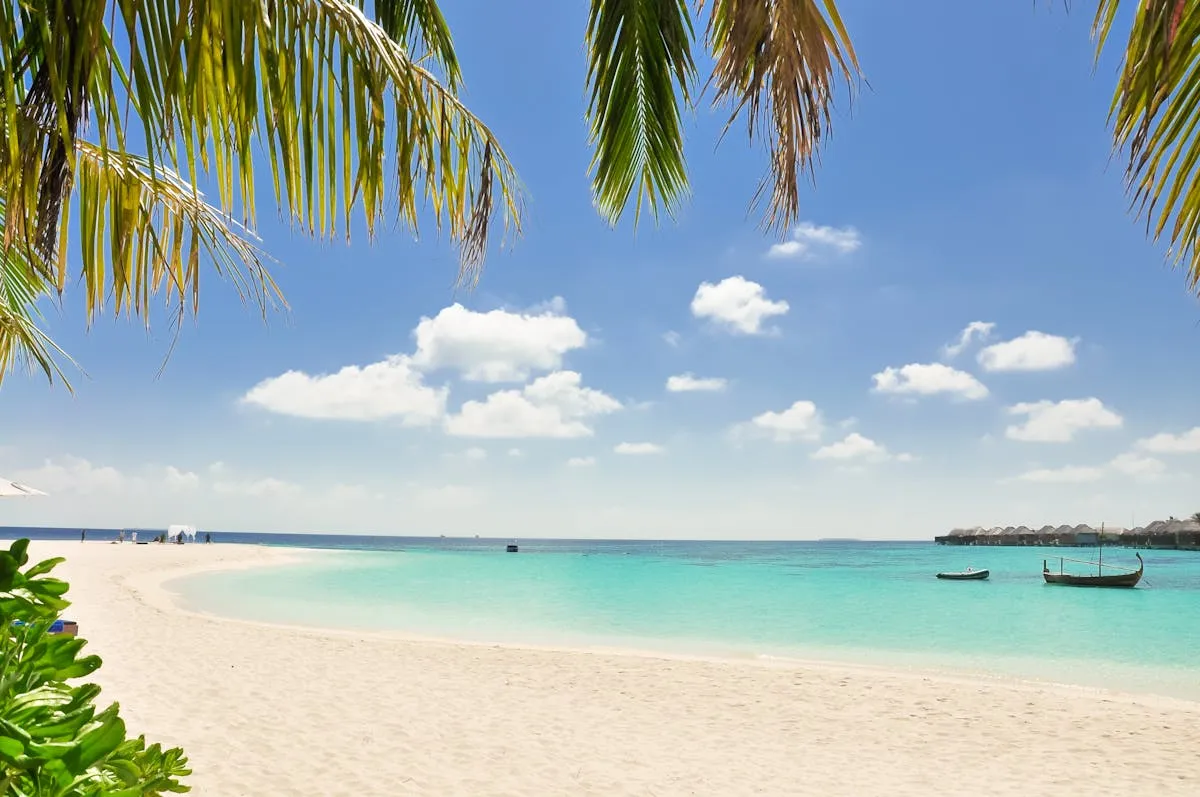
The Maldives features two distinct types of lagoon, each formed by different geological processes and offering different experiences for visitors. Understanding the difference between atoll lagoons and island lagoons helps explain the impressive variety of marine environments found across the archipelago.
Atoll Lagoons
Each of the 26 atolls that make up the Maldives is essentially a ring-shaped coral reef enclosing a large body of relatively shallow water - the atoll lagoon. These lagoons can be enormous. South Maalhosmadulu (Baa) Atoll's lagoon spans over 1,200 square kilometres, and even smaller atolls contain lagoons tens of kilometres across. Depths within atoll lagoons are typically 30 to 80 metres, though some areas are shallower where submerged reefs (thilas and giris) rise from the lagoon floor.
Atoll lagoons are connected to the open ocean through kandu - channels that cut through the atoll rim between islands. Tidal currents flow through these channels, exchanging water between the lagoon and the sea and delivering nutrients, plankton, and larvae that sustain the lagoon ecosystem. The strength and direction of these currents vary with the tides and seasons, and the kandu themselves are among the most spectacular dive sites in the Maldives, often teeming with reef sharks, manta rays, and schooling fish.
The floor of the atoll lagoon is a mix of sandy substrate, isolated reef patches (giris), and seagrass meadows. Scattered coral formations called patch reefs or bommies rise from the sandy bottom, each one a miniature ecosystem supporting its own community of fish and invertebrates. These patch reefs are excellent snorkelling destinations, as they are often in calm, shallow water and concentrate marine life in easily observable clusters.
Island Lagoons
Individual islands within the atoll also have their own lagoons - the shallow, protected bodies of water between the beach and the outer reef edge. These island lagoons are what most visitors experience directly from their resort or guesthouse, and they provide the classic Maldivian experience of stepping off the beach into warm, crystalline water.
Island lagoons vary enormously in size and character. Some islands have wide, shallow lagoons extending several hundred metres from the shore, with sandy bottoms just one to two metres deep - perfect for wading and safe swimming. Others have narrow lagoons that drop quickly to the reef edge, giving snorkellers almost immediate access to the house reef and its deeper waters.
The character of an island lagoon depends on its orientation relative to the atoll rim and the prevailing monsoon. Lagoon-facing shores (those facing the interior of the atoll) tend to have calmer, shallower lagoons, while ocean-facing shores are more exposed to swell and may have deeper, more dynamic water. Many resort islands are selected and developed precisely because they have large, calm lagoons suitable for swimming and water sports.
Why the Water Is Turquoise
The iconic turquoise colour of Maldivian lagoons is not an illusion or the result of digital enhancement - it is a natural phenomenon produced by the interaction of sunlight with clear, shallow water over a white sand bottom. The science behind it is straightforward but beautiful.
The sand in the Maldives is composed almost entirely of calcium carbonate - ground-up coral, shells, and the skeletons of other reef organisms. This biogenic sand is brilliant white, which means it reflects nearly all the light that reaches it. When sunlight enters the shallow water of a lagoon, the longer wavelengths (reds and oranges) are absorbed by the water, while shorter wavelengths (blues and greens) penetrate more effectively, bounce off the white sand, and travel back up to the surface. The result is the vivid turquoise or aquamarine colour that defines the Maldivian aesthetic.
The depth of the water modulates the exact shade. Very shallow areas - less than a metre - appear almost white or pale green. Water two to five metres deep produces the classic intense turquoise. Deeper areas transition to deeper blue, and where the lagoon floor drops away to the reef slope, the water shifts to the deep indigo of the open ocean. Seen from the air, this gradient creates the rings of colour that encircle every island.
Water clarity is the other essential ingredient. Maldivian lagoon water is exceptionally clear because it contains very little sediment or plankton compared to coastal waters near continental landmasses. The nearest continent is hundreds of kilometres away, and there are no rivers or runoff to introduce sediment. This clarity allows light to penetrate deeply and the colour effect to appear at its most vivid.
Marine Life in the Lagoons
While coral reefs get most of the attention, lagoons support their own diverse marine communities. The sandy floors of island lagoons are home to stingrays - both blue-spotted and cowtail varieties - that bury themselves in the sand during the day and emerge to feed at dusk. Garden eels form colonies in sandy patches, their slender bodies protruding from individual burrows to filter plankton from the current, swaying in unison like a field of miniature serpents.
Blacktip reef sharks patrol the shallow lagoon edges, their dorsal fins slicing the surface as they hunt small fish in water barely deep enough to cover them. Baby sharks - both blacktip and nurse shark pups - use the shallow lagoon as a nursery, sheltering from larger predators in the safety of the shallows. Watching juvenile sharks cruise through ankle-deep water near the beach is one of the characteristic experiences of the Maldives.
Green sea turtles graze on seagrass in the lagoon, and hawksbill turtles are often seen near patch reefs and the lagoon-side edges of the house reef. Schools of juvenile fish - fusiliers, snappers, and goatfish - use the lagoon as a staging area, growing in relative safety before venturing onto the reef proper.
At night, lagoons come alive with different species. Octopuses emerge from the reef edge to hunt across the lagoon sand. Hermit crabs and various crustaceans scuttle across the shallows. Bioluminescent plankton can sometimes be seen glowing in the water when disturbed - waving your hand through the dark water produces trails of blue-green light, one of the most magical natural phenomena visitors can experience.
Lagoon Activities
The calm, shallow waters of Maldivian lagoons make them ideal for a range of activities. Swimming and wading are the most basic pleasures - the water is warm year-round (27 to 30 degrees Celsius) and most island lagoons are free of strong currents. Snorkelling in the lagoon itself reveals stingrays, juvenile sharks, and the seagrass community, while snorkelling along the lagoon edge where it meets the house reef provides access to the full diversity of the reef ecosystem.
Kayaking and stand-up paddleboarding are popular ways to explore the lagoon surface, offering a vantage point to spot marine life from above. The glass-calm conditions that prevail on most mornings make these activities accessible to beginners. Glass-bottom boats and semi-submersible tours operate in many resort lagoons, providing a view of the underwater world for those who prefer to stay dry.
For a more adventurous experience, some resorts offer lagoon-based activities like sunset fishing (traditional Maldivian hand-line fishing from a dhoni in the lagoon), underwater scooter tours, and guided night snorkels to see the lagoon's nocturnal residents. Sandbank excursions - trips to the small, exposed sand formations that dot the atoll lagoon - combine lagoon navigation with the experience of standing on a tiny island surrounded by nothing but turquoise water in every direction.
The lagoons of the Maldives are far more than scenery. They are living ecosystems, geological marvels, and the spaces where most visitors have their most intimate encounters with the marine world. Whether you are watching baby sharks from the beach, floating in the turquoise water, or marvelling at the colour gradients from above, the lagoon is where the Maldives experience begins.