 Maldives Compass
What Is a Cleaning Station?
A cleaning station is a specific spot on a coral reef where small fish and shrimp set up shop to provide a notable service: they pick parasites, dead skin, and mucus off larger marine animals. Think of it as an underwater car wash, except the customers are manta rays, groupers, moray eels, and even sharks. These stations are usually found at prominent coral heads, bommies, or rocky outcrops - landmarks that are easy for visiting fish to find again and again.
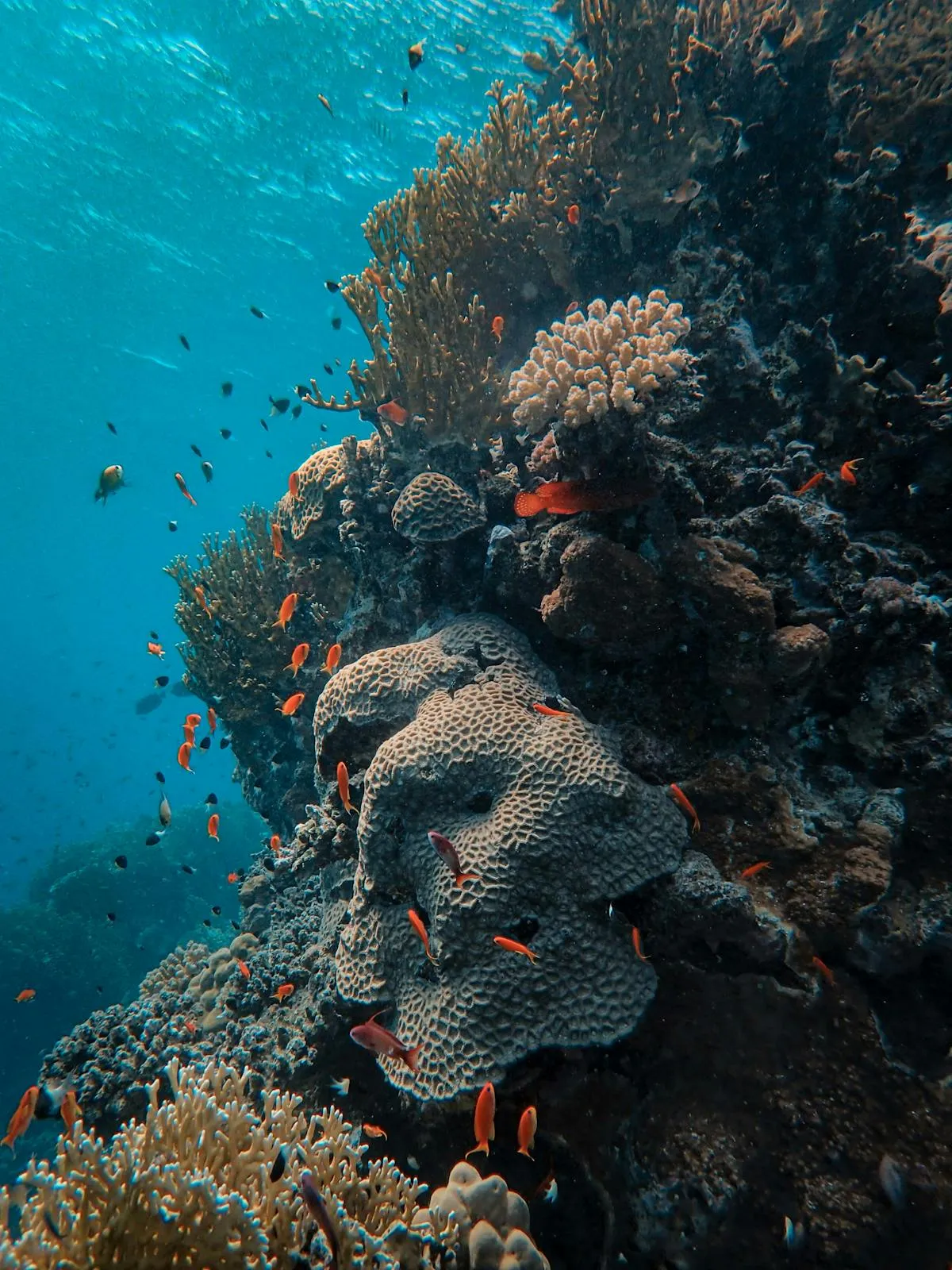
What makes cleaning stations so special is that they operate on trust. Predators that would normally eat small fish hold perfectly still and open their mouths wide, allowing tiny cleaners to swim right inside their gill chambers and between their teeth. It is one of the most notable examples of cooperation in the animal kingdom, and the Maldives is one of the best places on the planet to witness it firsthand.
The Cleaners: Wrasses and Shrimp
The most common cleaners on Maldivian reefs are bluestreak cleaner wrasses. These slender, brightly striped little fish are easy to spot - they have a distinctive blue-and-black lateral stripe running from nose to tail, and they perform an unmistakable bobbing "dance" to advertise their services. A single cleaning station may be staffed by a pair or a small group of wrasses that work the same patch of reef day after day.
Cleaner shrimp play a similar role, though they tend to work in darker, more sheltered spots like crevices and overhangs. Species such as the banded coral shrimp and the scarlet skunk cleaner shrimp wave their long white antennae to signal passing fish. Shrimp are particularly popular with moray eels, which often rest near shrimp-staffed stations and allow the tiny crustaceans to crawl right into their mouths.
Juvenile angelfish, certain species of gobies, and even some juvenile butterflyfish also serve as part-time cleaners on Maldivian reefs, broadening the network of stations available to clients.
The Clients: From Groupers to Manta Rays
Nearly every reef fish visits a cleaning station at some point, but the most dramatic clients are the large pelagic species. Manta rays are famous for their loyalty to specific cleaning stations. They glide in slowly, hover almost motionless over the coral head, and let cleaner wrasses go to work on their gill slits and skin. At busy stations, several mantas may circle in a patient queue, each waiting its turn - a spectacle that draws divers from around the world.
Large groupers adopt a distinctive pose at cleaning stations: they open their mouths wide and flare their gill covers, signalling that they are ready to be cleaned rather than looking for a meal. Sweetlips, parrotfish, surgeonfish, and even Napoleon wrasses are regular visitors. Reef fish of all sizes rely on this service to stay healthy and free of irritating parasites.
Sharks, too, visit cleaning stations. Grey reef sharks, whitetip reef sharks, and nurse sharks have all been observed holding still while cleaner wrasses pick along their skin. It is a humbling reminder that even apex predators depend on some of the reef's tiniest inhabitants.
The Mutualistic Relationship
Cleaning stations are a textbook example of mutualism - a relationship where both parties benefit. The cleaner fish and shrimp get a reliable food source in the form of parasites, dead tissue, and mucus. The client fish get relief from parasitic copepods, isopods, and other hitchhikers that can cause irritation, infection, and reduced health over time.
Research has shown that when cleaner fish are removed from a section of reef, the health of surrounding fish populations declines measurably within weeks. Client fish develop more parasites, show signs of stress, and in some cases begin to leave the area entirely. This tells us that cleaning stations are not just a curiosity - they are a vital part of how a healthy reef ecosystem functions.
The relationship relies on honesty from both sides. Cleaners occasionally "cheat" by taking a bite of healthy mucus instead of parasites, and clients will jolt or swim away when that happens. Over time, cleaners that cheat too often lose their clientele, which keeps the system in balance.
Where to Find Cleaning Stations While Diving
Cleaning stations are present on reefs throughout the Maldives, but some are particularly well known. Manta cleaning stations are found at famous sites like Lankan Manta Point in North Male Atoll, Hanifaru Bay area reefs in Baa Atoll, and various sites across Ari Atoll. Dive guides know exactly where these stations are and will position you at a respectful distance to watch the action.
For reef fish cleaning stations, look for prominent coral bommies or outcropping rocks where you can see a steady stream of fish arriving and departing. The telltale sign is the bobbing dance of the cleaner wrasses and the unusual sight of large fish holding perfectly still with their mouths open. Thilas - submerged pinnacles that rise from deeper water - often host active cleaning stations because they serve as gathering points for both reef and pelagic species. Check our diving guide for more on the best sites.
Why Cleaning Stations Matter for Reef Health
Cleaning stations act as linchpins within the reef community. By keeping parasite loads under control, they improve the overall health, growth rates, and reproductive success of reef fish. Healthier fish populations mean more grazing on algae, which in turn benefits coral growth. The ripple effects extend throughout the entire ecosystem.
Because cleaning stations tend to be fixed locations used for years or even decades, they also serve as important social hubs on the reef. Fish congregate there regularly, reinforcing territorial behaviour and community structure. Protecting these sites from anchor damage, destructive fishing, and careless diving is important for maintaining a functioning reef.
Etiquette for Observing Cleaning Stations
Watching a cleaning station in action is one of the most rewarding experiences in underwater diving, but it requires patience and good manners. Keep a respectful distance - at least three metres for reef fish stations and five metres or more for manta stations. Approaching too closely will spook the clients, and they will abandon the station, sometimes for hours.
Stay low and avoid hovering above the station, as your silhouette and bubbles can alarm fish below. Do not chase or follow manta rays as they approach or leave. Let them come to you. Good buoyancy control is essential so that you do not accidentally brush against or damage the coral head that hosts the station.
Avoid using flash photography close to cleaning stations. A sudden burst of light can startle both cleaners and clients, disrupting the interaction. If you are patient and still, you will be rewarded with an intimate look at one of the reef's most fascinating behaviours - a front-row seat to nature's quiet cooperation.